Quartz powder About
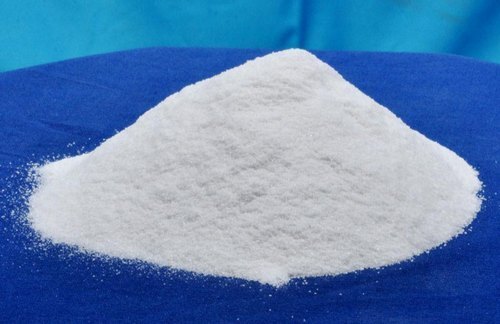
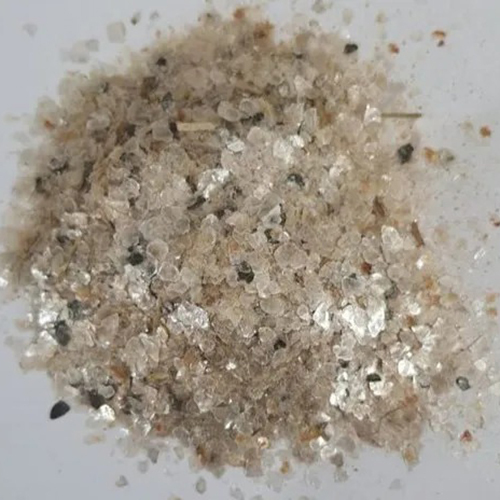
Quartz powder is a finely ground crystalline mineral made of silicon dioxide (SiO2) used in ceramics, glass, and paints.
Key Properties
- Chemical Formula:
SiO2 (Silicon dioxide/Silica)
- Purity: Usually ranges from 95% to over 99%
SiO2
- Melting Point: Around 1350C to 1650C
- Hardness: High durability and resistance to high temperatures and corrosion
Exceptional Purity and Physical PropertiesWith a purity exceeding 99% and a hardness of 7 Mohs, this quartz powder ensures reliability in demanding industrial applications. Its low moisture content and loss on ignition further guarantee material stability, while its white color and fine granular form contribute to versatility in appearance-critical processes.
Versatile Industrial ApplicationsQuartz powder serves as a fundamental raw material in numerous sectors, such as glass manufacturing, ceramics, foundries, electronics, paints, adhesives, and construction. Its high refractive index and neutral pH make it suitable for both chemical and physical processes, supporting innovation across multiple industries.
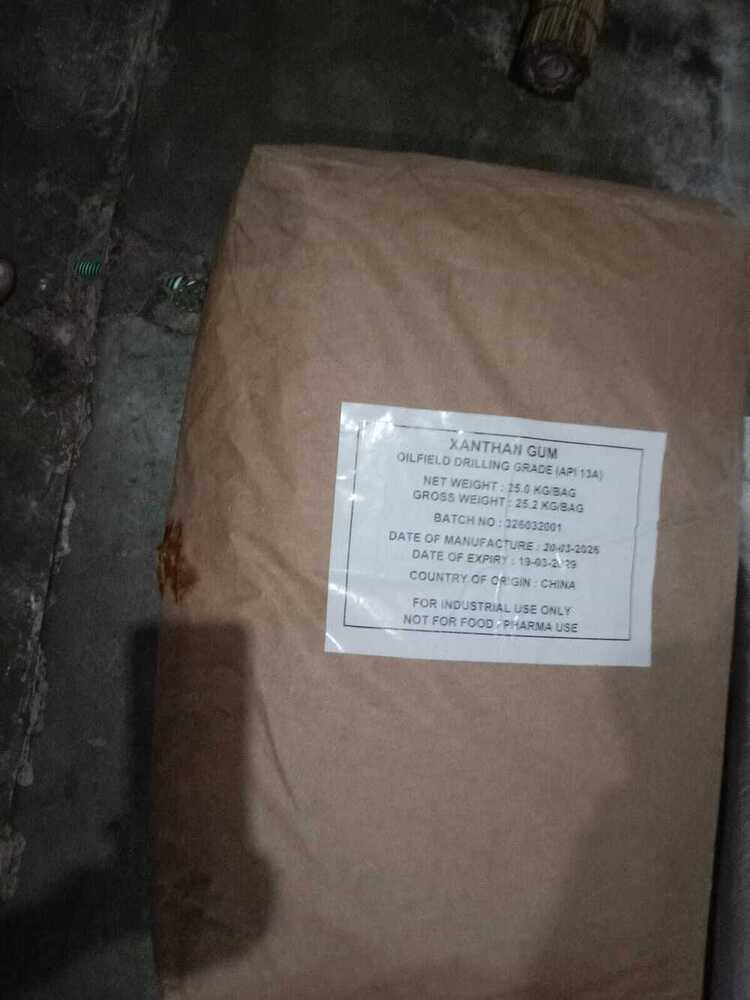
Secure and Flexible PackagingTo accommodate diverse usage needs, quartz powder is supplied in robust PP bags of 25 kg, 50 kg, or 1000 kg. Tight packaging preserves product integrity during storage and transportation. Proper storage in a cool, dry area with sealed containers guarantees an indefinite shelf life and maintains quality standards.
FAQ's of Quartz powder:
Q: How is quartz powder used in industrial processes?
A: Quartz powder is utilized as a raw material in various industries, including glass manufacturing, ceramics, electronics, foundries, construction, adhesives, and paints. Its primary function is to provide silica content, acting as a matrix or filler that enhances durability, chemical resistance, and performance of the final product.
Q: What benefits does quartz powder offer for glass and ceramics manufacturing?
A: Quartz powder's high purity and consistent particle size deliver clarity, strength, and homogeneity in glass and ceramics. Its low radioactivity and neutral pH ensure the safety and stability required in these applications, while its high melting point makes it suitable for high-temperature processes.
Q: When should quartz powder be used over other fillers or raw materials?
A: Quartz powder is preferred when a high-purity, chemically inert, and hard material is required. It offers superior mechanical and thermal properties compared to many alternative fillers, making it ideal for applications demanding high durability, resistance, and minimal impurities, such as glass, ceramics, and electronics.
Q: Where should quartz powder be stored for best shelf life?
A: For optimal preservation, quartz powder should be stored in a cool, dry area within tightly sealed containers or PP bags. Proper storage protects the material from moisture absorption and contamination, allowing it to maintain its properties indefinitely.
Q: What are the safety and handling procedures for quartz powder?
A: Quartz powder is non-toxic and non-poisonous, but it is recommended to handle it with standard industrial precautions. Use protective equipment to avoid inhalation of fine dust. Ensure all packaging is tightly sealed when not in use to prevent moisture ingress.
Q: Is quartz powder soluble in water, and what solvents affect it?
A: Quartz powder is insoluble in water but can dissolve in hydrofluoric acid. This insolubility makes it suitable for applications requiring resistance to most chemicals and solvents, except for specialized processes involving HF acid.





 Send Inquiry


 Send Inquiry
 Send Inquiry
