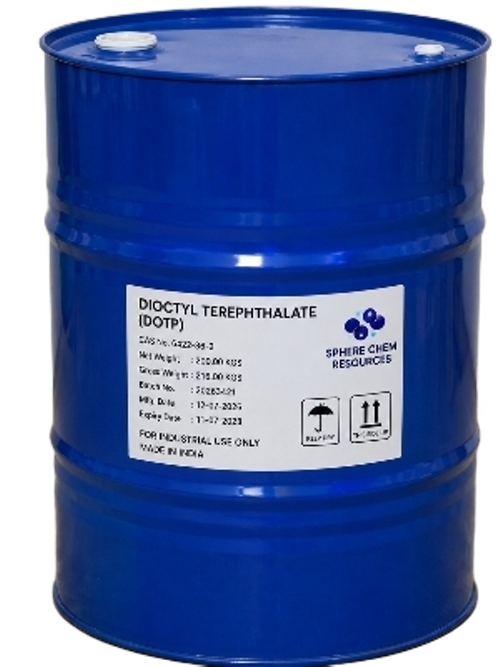
Di Octyl Terephthalate About
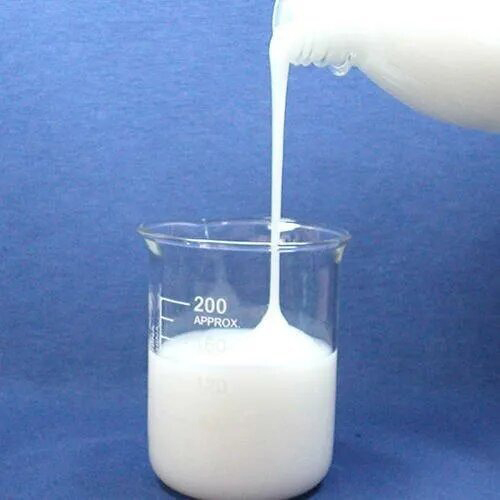
Appearance: Clear, transparent liquid
Chemical Type: Terephthalate ester plasticizer
Key Features: Good thermal stability, low volatility, good electrical insulation properties, and excellent compatibility with PVC.
Superior Plasticizer for Safe ApplicationsDOTP stands out as a preferred choice for industrial sectors seeking high-performance, non-toxic plasticizers. Its clear, odorless formulation ensures applications in sensitive environments, including the production of rubber articles and flexible PVC products. Offering a high flash point and broad compatibility, DOTP provides enhanced thermal and chemical resistance.
Eco-Friendly and Regulatory CompliantWith its non-phthalate composition, DOTP meets stringent environmental and health safety requirements. It is RoHS compliant, further validated for industrial safety and minimized environmental impact through its low acid and hydroxyl values. These attributes make DOTP a sustainable solution for manufacturers focused on green alternatives.
Efficient Storage and Long Shelf LifeStoring DOTP is straightforward; simply keep it in cool, dry, and well-ventilated conditions away from sunlight. The product's chemical stability ensures a shelf life of at least two years, minimizing operational disruptions and ensuring continuous supply for manufacturing processes.
FAQ's of Di Octyl Terephthalate:
Q: How should Di Octyl Terephthalate (DOTP) be stored for optimal shelf life?
A: DOTP should be stored in a cool, dry, well-ventilated area away from direct sunlight. When these storage guidelines are followed, the product maintains its quality and stability for a minimum of two years.
Q: What is the primary benefit of using DOTP as a plasticizer in manufacturing?
A: The main benefit of DOTP is its non-phthalate, eco-friendly nature. It is safer for both manufacturers and end users, offering low toxicity, great flexibility, and excellent compatibility with PVC, rubber, and synthetic resins.
Q: When is DOTP recommended over traditional phthalate plasticizers?
A: DOTP is favored when environmental safety, regulatory compliance, and non-toxic performance are required, such as in the production of toys, medical devices, or other applications where stringent safety standards are enforced.
Q: Where is DOTP commonly used in industry?
A: DOTP is widely utilized in the production of flexible PVC, synthetic rubber items, floorings, sealants, cables, and automotive parts, especially where non-phthalate alternatives are specified or required by regulations.
Q: What is the process for handling and packaging DOTP?
A: DOTP is typically supplied in 200 kg HDPE drums or bulk tankers. During handling, it should be kept sealed when not in use and transferred using standard chemical handling protocols to maintain quality and safety.
Q: How does DOTP contribute to eco-friendly practices?
A: DOTP is a non-toxic, non-phthalate plasticizer compliant with RoHS and ASTM D 1976. Its use reduces environmental and health hazards associated with traditional plasticizers, supporting green and sustainable manufacturing.





 Send Inquiry


 Send Inquiry
 Send Inquiry
