Ferric chloride About
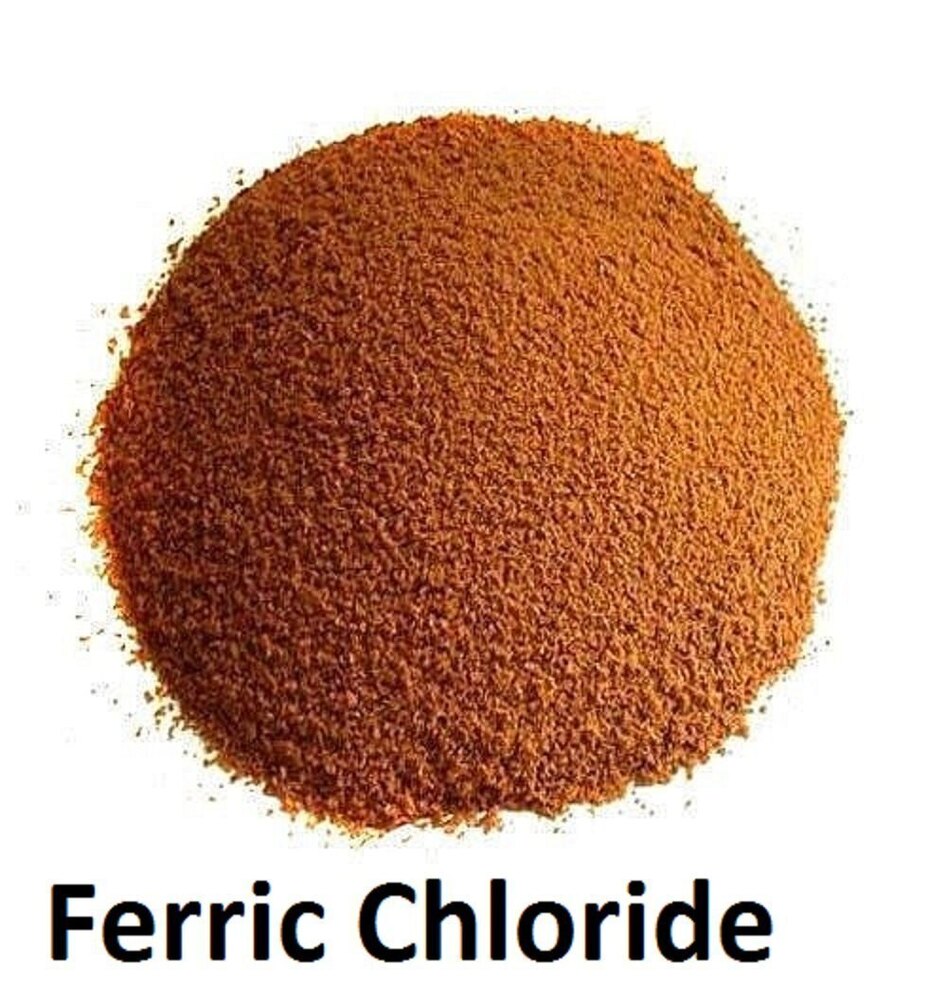
Ferric chloride, also known as iron(III) chloride, is an important inorganic chemical compound with the chemical formula FeCl. It contains iron in its +3 oxidation state and is widely used across various industries as a potent water purification coagulant and a precise metal etching agent.
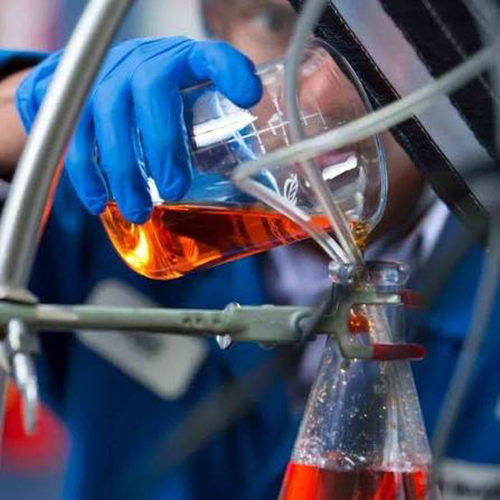
Versatile Industrial ApplicationsFerric chloride serves pivotal roles in various industries. Its most prominent application is in water and sewage treatment, where it acts as a powerful coagulant. The chemical is also used as an etchant in manufacturing printed circuit boards, in pigment production, and as a reagent in laboratories. Its broad utility makes it a valuable asset across multiple industrial processes.
Proper Storage and Safe HandlingDue to its corrosive nature, ferric chloride must be handled with care. Store the substance in tightly closed HDPE or PP containers, placed in cool, dry, and well-ventilated areas. The product remains stable for up to 24 months if these conditions are met. Protective equipment should be worn to prevent skin burns and eye injury during handling.
High Purity and Standards ComplianceOur ferric chloride is supplied at a purity of 98% or as specified, meeting industrial and laboratory-grade standards. Each batch undergoes strict quality checks to ensure consistency and compliance with international regulations. This commitment guarantees reliable performance for critical applications in water treatment, electronics, and laboratory settings.
FAQ's of Ferric chloride:
Q: How should ferric chloride be stored for maximum shelf life?
A: Ferric chloride should be stored in tightly closed HDPE or PP containers, kept in a cool, dry, well-ventilated area away from incompatible substances. Proper storage ensures the product remains stable and maintains its efficacy for up to 24 months from the date of manufacture.
Q: What are the main uses of ferric chloride in industrial and laboratory settings?
A: Ferric chloride is widely used as a coagulant in water and sewage treatment, as an etchant for printed circuit boards, in pigment manufacturing, and as a reagent in laboratory experiments. Its effectiveness and solubility make it ideal for these technical and industrial applications.
Q: When does ferric chloride pose a hazard, and what precautions should be taken?
A: Ferric chloride is classified as corrosive and poses a significant risk of causing severe skin burns and eye damage upon contact. Adequate personal protective equipment (PPE), such as gloves, goggles, and protective clothing, should always be used when handling this substance.
Q: Where is ferric chloride typically supplied and in what packaging?
A: Ferric chloride is typically supplied throughout India and internationally by suppliers and traders. It is packed in high-density polyethylene (HDPE) bags or drums to ensure safe transport and storage, preventing leakage and corrosion.
Q: What is the recommended process for handling spills or exposure to ferric chloride?
A: In the event of a spill, evacuate the area and use non-reactive absorbent materials. For skin or eye exposure, rinse immediately with plenty of water for at least 15 minutes and seek medical attention. Always handle in a well-ventilated area using appropriate PPE.
Q: How does ferric chloride benefit water treatment processes?
A: Ferric chloride acts as a coagulant, helping to remove suspended particles and contaminants from water during treatment. Its high solubility and effectiveness make it an essential chemical for enhancing water clarity and safety in municipal and industrial water treatment plants.





 Send Inquiry


 Send Inquiry
 Send Inquiry
